
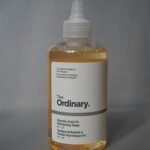
Glycolic Acid – World’s Most Powerful AHA for Smooth, Bright & Healthy Skin
lets start-
From American dermatologists to Korean and European skin experts, everyone agrees on one point:
“Glycolic Acid is one of the most effective ingredients for exfoliation, glow, and complete skin renewal.”
And the biggest reason?
Because glycolic acid has the smallest molecular size among AHAs, which allows it to penetrate deeper layers of the skin and deliver faster visible results.
In this worldwide-friendly guide, you’ll learn:
 What Glycolic Acid actually is Its complete benefits The right percentage for your skin Who should and shouldn’t use it Possible side effects Natural home alternatives Skin example inspired by Deepika Padukone Best way to include it in your routine Serum vs Toner – which one works better
What Is Glycolic Acid? (Simple Global Explanation)
Glycolic Acid is a type of Alpha Hydroxy Acid (AHA) that is naturally derived from sugarcane.
It works by:
• Dissolving dead skin cells
• Deeply cleaning the pores
• Lightening dark spots
• Increasing new skin cell turnover
You can think of it as a gentle chemical exfoliator that makes your skin softer, smoother, and glowing without harsh scrubbing.
This is why glycolic acid is a globally trusted favourite ingredient among dermatologists.
Worldwide-Proven Benefits of Glycolic Acid
1. Instant Radiance + Smooth Texture
Glycolic acid is widely used in Korean, European, and American skincare treatments.
It instantly brightens dull skin and gives a fresh, radiant glow.
2 Lightens Dark Spots & Acne Marks
Glycolic acid slows down melanin production, which helps fade:
• Pimple marks
• Sun damage
• Pigmentation patches
Gradually, the skin becomes clearer and brighter.
3. Anti-Aging Support (Reduces the Look of Fine Lines)
It boosts collagen production, which helps slow down visible signs of aging.
With regular use, fine lines look softer.
This is why dermatologists worldwide recommend glycolic acid for the 25+ age group..
4. Deep Pore Cleansing + Tighter Pores
Glycolic acid goes deep inside the skin to dissolve oil, dirt, and dead cells.
Result: cleaner pores and tighter-looking skin.
5. Controls Blackheads & Whiteheads
Those tiny bumps on the nose and chin?
Glycolic acid effectively clears them.
6. Evens Out Skin Tone
If your skin looks uneven, patchy, or dull, glycolic acid gradually makes the complexion more uniform.
:
Which Percentage of Glycolic Acid is Best? (Worldwide Standard)
What Percentage of Glycolic Acid Should You Use?
(Choose According to Your Skin Type)
If you’re new to glycolic acid, choosing the right percentage is very important. Different concentrations give different results, and using a strong one too early can damage your skin barrier.
3–5% Glycolic Acid – Best for Beginners
This is the safest range for first-time users.
You can use it as:
• A toner
• A gentle daily serum
Usage:
• Every day OR every alternate day
• Very good for mild dullness, early pigmentation & small bumps
7–10% – For Intermediate Users
This range is stronger and works deeper into the skin.
Perfect for people who already use AHAs.
Usage:
• 2–3 times a week
• Good for visible acne marks, texture, and pigmentation
15–20% – For Advanced Users / Peeling Level
This is a high-strength formula similar to professional peel products.
Usage:
• Only once a week
• Best for stubborn pigmentation & rough skin
• Avoid if you have sensitive skin
 Never start directly with 10–20%
It can burn your skin or weaken the skin barrier.
Who Should Use Glycolic Acid?
(Great match for these skin types)
Suitable For:
• Dull or tired-looking skin
• Acne marks (PIH)
• Dark spots & sun spots
• Uneven or patchy skin tone
• Blackheads & whiteheads
• Anti-aging (fine lines)
• Rough, bumpy skin texture
Glycolic acid is globally recommended for people who want bright, smooth, even-toned skin.
✘ Not Ideal For:
• Very sensitive skin
• Rosacea
• Active eczema
• Sunburned or irritated skin
If your skin barrier is already damaged, glycolic acid can make it worse.
How to Use Glycolic Acid Serum (Worldwide Correct Method)
Using glycolic acid the right way is very important. If you apply it correctly, you get maximum glow with minimum irritation.
Step 1: Use a Gentle Cleanser
Choose a cleanser that is:
• non-foaming
• non-scrubby
• Mild and hydrating
A harsh cleanser + glycolic acid can irritate your skin.
Step 2: Apply Glycolic Acid (3–7%)
• Take 2–3 drops only
• Apply evenly on the face
• Avoid eyes, corners of the nose, and lips
• Do NOT combine it with retinol or vitamin C on the same night
Mixing strong actives can damage your skin barrier.
Step 3: Apply a Moisturizer
Choose a moisturizer that is:
• Hydrating
• Lightweight
• Fragrance-free
This reduces irritation and keeps the skin barrier healthy.
Step 4: Use Sunscreen in the Morning
Glycolic acid makes your skin more sun-sensitive.
Always use SPF 50 the next day Sunscreen is non-negotiable
Without sunscreen, pigmentation can return.
Best Time to Use Glycolic Acid
Use at night Apply 2–3 times a week Always use sunscreen the next morning
Night-time is the best because the skin repairs itself while you sleep.
Deepika Padukone Example – Why Her Skin Looks So Smooth & Glassy
Deepika Padukone is admired globally for her:
• Clean skin
• Even tone
• Subtle glow
• Smooth, texture-free complexion
Dermatologists believe that one major reason for this kind of “glass skin effect” is consistent exfoliation — exactly what glycolic acid provides.
Of course, she also receives professional skincare treatments.
But even normal users can achieve smoother, brighter skin through:
 Regular exfoliation Proper glycolic acid routine Consistent sun protection
That’s why glycolic acid is a famous ingredient among celebrities worldwide — US, Korea, Europe, India — everywhere!
Home Remedies That Work Similar to Glycolic Acid (Natural AHAs)
If you want to gently exfoliate your skin using natural methods, these are the home remedies that people all over the world use:
1.Sugar + Lemon + Honey (Natural AHA Blend)
• 1 teaspoon of sugar
• A few drops of lemon juice
• 1 teaspoon of honey
Apply this for 5 to 7 minutes.
Effect: Gives a mild exfoliating effect similar to glycolic acid.
2.Yogurt (Contains Lactic Acid – AHA)
Apply this on your face for 10 minutes.
Your skin becomes brighter and softer immediately.
3.Apple + Milk Mask
Apples contain malic acid (natural AHA).
Milk contains lactic acid.
Together, they provide a gentle exfoliation.
4.Sugarcane Juice Dab
Glycolic acid comes naturally from sugarcane.
Apply it using a cotton ball for a mild glowing effect.
Side Effects (If Used Wrong)
Overusing these can cause problems like:
• Redness
• Burning
• Peeling
• Dryness
• Increased sensitivity to the sun
So, the rule is “less is more.”
What Not to Mix with Glycolic Acid
Avoid mixing with:
 Retinol
Vitamin C
Benzoyl Peroxide
Scrubs
Strong foaming face washes
These combinations can cause irritation.
Glycolic Acid Serum vs Toner – Which is Better?
Glycolic Toner
For beginners
For daily or mild exfoliation
3–5% strength
Glycolic Serum
For faster results
7–10% strength
Use 2–3 times a week
If you want quick results → Use serum.
If you want a gentle routine → Use toner.
Best Worldwide Tips for Using Glycolic Acid Safely
• Always apply moisturizer
• Don’t use every day if the concentration is more than 7%
• Use sunscreen daily
• Don’t mix too many active ingredients
• Do a patch test 24 hours before use
• If your skin turns red → stop for 3–4 days
When Will You See Results?
According to dermatologists worldwide:
1–2 weeks: Smoother skin
3–4 weeks: Brightened and glowing skin
6 weeks: Dark spots start to fade
8–10 weeks: Major improvement in skin texture
Consistency Matters More Than High Percentage
One of the biggest skincare myths is that higher percentage = better results.
The truth is:
Lower percentage used consistently
gives far better results
than high percentage used incorrectly.
Your skin likes routine — not shock.
That’s why even 3–5% glycolic acid, used regularly, can transform dull skin into glowing, smooth, even-toned skin.
Final Conclusion – Should You Use Glycolic Acid?
If your goal is to achieve:
• Radiant glow
• Smooth & soft skin
• Faded acne marks
• Improved texture
• Younger-looking complexion
Then yes, glycolic acid is one of the best and most effective skincare ingredients in the world.
But remember: Start slow Use moisturizer every time Never skip sunscreen
Avoid mixing with retinol or vitamin C at night
Used correctly, glycolic acid can completely change the quality of your skin.
Why Deepika Padukone’s Skin Example Matters
Deepika Padukone is globally admired for her:
• Clear complexion
• Even skin tone
• Natural glow
• Smooth, glass-like finish
One of the reasons celebrities like her maintain such smooth skin is consistent exfoliation —
and glycolic acid is one of the most widely used exfoliating ingredients worldwide.
Consistency + the right routine = celebrity-level glow.
You don’t need expensive treatments.
Even a simple at-home routine 2–3 nights a week can help you achieve:
Smoother skin Brighter tone Fewer bumps Refined pores
If you want, I can create:
A list of the world’s best glycolic acid products
(tuner, serum, face wash — no country mentions)
A complete glycolic-acid-based skincare routine
for beginners, intermediate, and advanced users.
Worldwide Best Glycolic Acid Products List (Country-Neutral)
(Safe for all skin types — beginners to advanced)
1. Best Glycolic Acid Toners (3–5%) — Perfect for Beginner
These toners are mild, safe, and beginner-friendly.
They can be used daily or on alternate days.
 Recommended 3–5% Glycolic Acid Toners
• Gentle AHA Toning Solution
• Daily Glow AHA Toner
• AHA Renewal Skin Toner
• Smooth & Glow Glycolic Toner
Why they’re good: Mild exfoliation Friendly to the skin barrier Great for dullness and tiny bumps Safe for beginners and irritation-free
2. Best Glycolic Acid Serums (7–10%) — Faster & More Visible Results
If you have acne marks, pigmentation, uneven skin tone, or texture issues —
this category is ideal for you.
Recommended 7–10% Glycolic Acid Serums
• AHA Glow Serum 7%
• Overnight Glycolic Renewal Serum
• Pure Glycolic 8% Exfoliating Serum
• Multi-AHA + Glycolic 10% Radiance Booster
Benefits: Faster brightening Gradual lightening of dark spots Pores appear smaller Skin becomes baby-soft and smooth
3. Best Glycolic Acid Peeling Solutions (15–20%) — For Advanced Users
Use only once a week Not suitable for sensitive skin
These provide powerful chemical exfoliation — almost like professional results.
Recommended 15–20% Glycolic Peel Solutions
• Professional AHA Peel 15%
• Glycolic + Lactic Exfoliation Blend 20%
• Advanced Resurfacing AHA Peel
Effect: Strong exfoliation Instant glow Improvement in acne scars and skin texture
4. Best Glycolic Acid Face Wash (2%) — Very Safe for Daily Use
Face washes are safe because the contact time with the skin is very short.
Recommended 2% Glycolic Face Wash
• AHA Foaming Cleanser
• Glycolic Renewal Face Cleanser
• Smooth Skin Daily Cleanser
Effect: Gentle exfoliation Great for oily, dull, or congested skin Very minimal irritation
5. Best Supporting Products (Safe to Use With Glycolic Acid)
Always pair glycolic acid with gentle and hydrating products.
 Moisturizers
• Ceramide Moisturizer
• Hyaluronic Gel Cream
• Barrier Repair Moisturizing Lotion
• Hydrating Cream with Squalene
 Sunscreens
• SPF 50 Broad Spectrum
• Oil-Free UV Gel Sunscreen
• Hydrating Daily UV Guard
Note: Glycolic Acid + Sunscreen = The Best Combo for a Glass-Skin Glow
Full Night Skincare Routine (Worldwide Safe Routine)
(For glowing, smooth & even skin — beginners to intermediate)
Routine 1: Beginners (3–5% Glycolic Toner)
Use: 3–4 times a week, at night
-
- Use a gentle, non-foaming face wash
-
- Apply 3–5% Glycolic Acid Toner using a cotton pad
-
- Follow with a ceramide or hydrating moisturizer
-
- Next morning, apply SPF 50 sunscreen
This routine is perfect for beginners, dull skin, and tiny bumps.
Routine 2: For Acne Marks & Dull Skin (7–10% Serum)
Use: 2–3 times a week, on alternate nights
-
- Start with a gentle face wash
-
- Apply 7–10% Glycolic Acid Serum
-
- Use a moisturizer to prevent irritation
-
- Apply SPF 50 sunscreen in the morning
Avoid using on the same night: Retinol Vitamin C
These routine targets pigmentation, dark spots, and uneven texture.
Routine 3: Advanced Users (15–20% Peel)
Use: Only once a week — very strong exfoliation
-
- Cleanse with a gentle face wash
-
- Apply the 15–20% Glycolic Peel for 7–10 minutes
-
- Rinse thoroughly
-
- Apply a thick, barrier-repair moisturizer
-
- For the next 2 days, avoid all strong actives: No glycolic acid No retinol No vitamin C No salicylic acid
- For the next 2 days, avoid all strong actives:
This routine gives the most visible instant glow and texture improvement — only for experienced users.
Daytime Routine (Morning)
A safe and simple daytime routine for anyone using glycolic acid at night:
-
- Use a hydrating face wash
-
- Apply a lightweight moisturizer
-
- Use SPF 50 sunscreen every morning
-
- Optional: Add niacinamide if you have oily or acne-prone skin
Niacinamide helps reduce oil, minimize pores, and strengthen the skin barrier.
Worldwide Glycolic Acid Routine Based on Skin Type
 1. Oily Skin
• Use a 7% glycolic serum three times a week
• Use a salicylic face wash on alternate days
• Always apply moisturizer
2.Dry Skin
• Use a 3–5% toner twice a week
• Apply hyaluronic acid before moisturizer
• Avoid strong peels
3.Combination Skin
• Use 5–7% glycolic on the T-zone
• Use gentle products on dry areas
• Make sure to keep skin well hydrated
4.Sensitive Skin
• Avoid products with 7–20% strength
• Use only 2–3% mild toner
• Always do a patch test before using
Quick Tips for Best Results (Worldwide Experts Agree)
• Use glycolic acid only at night
• Use sunscreen every day
• Start with a low concentration
• Don’t use too many active ingredients at once
• Hydration is half the secret to a glowing skin
• Skip treatment on days when skin feels
FAQs (Copy-Paste Ready in English)
FAQ 1: Which skin types is Glycolic Acid best for?
Glycolic Acid is perfect for oily, normal, combination, and dull skin.
Sensitive skin should start with a mild 3–5% concentration.
FAQ 2: Can I use glycolic acid daily?
Toner (3–5%): Can be used daily or on alternate days.
Serum (7–10%): Use only 2–3 times a week.
Peels (15–20%): Only once a week.
FAQ 3: Does glycolic acid cause skin peeling or burns?
No — not if you use the correct percentage.
Beginners should always start with a low concentration.
FAQ 4: What should I apply after glycolic acid?
Always follow with a moisturizer + sunscreen (SPF 50) in the morning.
Hydrating and ceramide-based creams are the best choices.
FAQ 5: Can I use glycolic acid and Vitamin C together?
Avoid using them on the same night.
You can use Vitamin C in the morning and Glycolic Acid at night.
FAQ 6: Which percentage of glycolic acid is best for acne marks or pigmentation?
7–10% glycolic acid serums give the best results for acne marks, dark spots, and uneven skin tone.
more learn
FAQ 7: Can pregnant or breastfeeding women use glycolic acid?
3–5% glycolic acid is generally considered safe, but it’s best to consult a doctor.
FAQ 8: Is tingling normal after applying glycolic acid?
Mild tingling is normal.
If you feel strong burning, wash it off immediately.
FAQ 9: Does glycolic acid reduce open pores?
Yes — regular use removes dead skin and makes pores appear smaller.
FAQ 10: How long does it take to see results?
• Glow: 1–2 weeks
• Acne marks: 3–6 weeks
• Texture improvement: 2–4 weeks