
This post is especially for all because we can learn about Gut Health and digestion. If your gut is healthy, everything you feel good
“In this article, we will cover:
Introduction: Why is gut health so important?
These days, our generation pays a lot of attention to weight loss, fitness, and skincare, but we completely neglect gut health. The truth is, if your digestion isn’t right, no matter how healthy you eat, your body won’t be able to absorb the nutrients properly.
The gut isn’t just for the stomach—it also controls your immune system, mood, energy levels, weight management, and skin.
In this article, we will cover
What is Gut Health?
Gut health means the smooth and balanced functioning of our digestive system. It includes organs like the stomach, small intestine, large intestine, and trillions of good bacteria.
When there is a good balance between good bacteria and bad bacteria in the gut, gut health remains strong. If this balance is disturbed, gut problems can start, such as
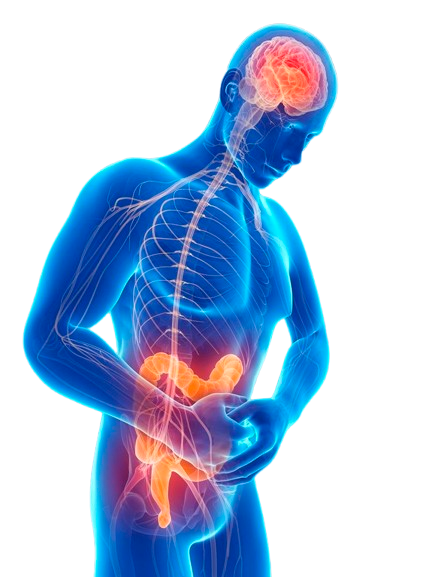
- Gas & bloating
- Acidity
- Constipation
- Loose motions
- Low immunity
- Weight gain
How Digestion Works (Simple Explanation)
Digestion starts in the mouth and doesn’t end in the stomach.
- Mouth: Food is chewed, and saliva releases enzymes to begin breaking it down.
- Stomach: Acids and enzymes in the stomach break down the food further.
- Small Intestine: Nutrients from the food are absorbed here.
- Large Intestine: Water is absorbed, and waste is formed.
If there’s a problem at any stage, gut health gets disturbed.
Common Signs of Poor Gut Health
If you regularly experience the following problems, it could be a sign of poor gut health:
- Daily gas and bloating
- Feeling heavy after eating
- Constipation or diarrhea
- Cravings for sugar
- Skin issues (dull skin, acne)
- Mood swings and anxiety
- Weakened immunity
Poor gut health isn’t just a stomach issue—it’s a signal affecting your whole body.
What should be done for good gut health?
1. Eat Slowly and Chew Your Food Well
This is the simplest and most ignored habit.
In daily life, we often eat too fast, which weakens digestion and increases gas and bloating.
Simple rule: Chew every bite 20–30 times.
2. Add Probiotic Foods to Your Diet
Not all bacteria are bad. Some bacteria are very helpful for us—these are called probiotics.
They help heal the gut and are found in many foods.
Indian & common probiotic foods:
- Curd (Dahi)
- Buttermilk (Chaas)
- Idli & Dosa (fermented foods)
- Kanji (fermented drink)
- Pickles (naturally fermented)
- Miso
- Kimchi
- Sauerkraut
- Kefir
- Tempeh
Include small amounts daily.
> Best time to eat probiotics:
✔ Morning (empty stomach)
✔ Lunchtime
❌ Avoid late nights.
3. Prebiotic Foods Are Also Important
Prebiotics are foods that feed good bacteria.
Best prebiotic foods:
- Banana
- Onion
- Garlic
- Oats
- Apple
- Whole wheat
- Chicory root
- Asparagus
- Flaxseeds
- Legumes (chana, rajma, lentils)
Probiotic + Prebiotic = Strong gut
Best time to eat prebiotics:
✔ Morning
✔ With meals
❌ Avoid excess at night (may cause gas)
4. Increase Fiber Intake (But in a Smart Way)
Fiber is a very important part of digestion, so eating high-fiber foods is essential.
🌾 High-Fiber Foods (Indian Diet)
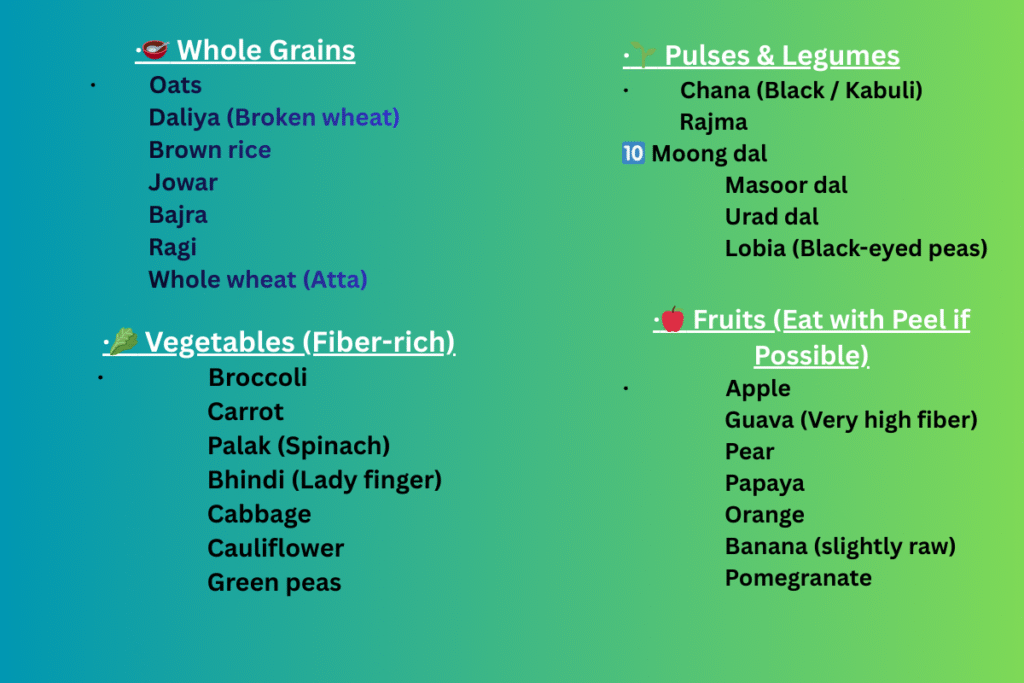
⚠️ Do not increase fiber suddenly—increase it gradually.
5. The Right Way to Drink Water
Just drinking water is not enough; how you drink it matters.
- Drink 1–2 glasses of warm water after waking up
- Avoid drinking too much water during meals
- Sip water slowly
This makes digestion smoother.
6. Reduce Stress (Gut and Mind Are Connected)
Stress directly affects the gut.
High stress = poor digestion
Simple stress-reducing habits:
- Deep breathing (5 minutes daily)
- Short walk in morning sunlight
- Stay away from the phone for some time
- Proper sleep (7–8 hours daily)
- Spend some quiet time alone
Healthy mind = healthy gut
7. Reduce Sugar and Processed Foods
Excess sugar and junk food feed bad bacteria in the gut.
Avoid or limit:
- Soft drinks
- Packaged snacks
- Bakery items
- Artificial sweeteners
- Oily foods
Rely more on natural foods.
8. Learn to Eat at the Right Time
Eating at night is not always bad, but eating late every day is harmful for the gut.
Best habits:
- Eat dinner 2–3 hours before sleep
- Keep dinner light
- Maintain fixed meal timings
Our body likes a regular routine.
Morning Gut-Friendly Habits
Starting your day the right way improves digestion.
- Drink warm water after waking up
- Light stretching
- Short walk
- Calm, relaxed breakfast
These habits help “wake up” the gut.
Night Habits That Improve Digestion
- Avoid heavy dinners.
- Stay away from the phone
- Sleep 7–8 hours
Poor sleep = poor gut
Connection Between Gut Health and Weight Loss
If your gut is healthy:
- Fat loss becomes easier
- Cravings reduce
- Metabolism improves
So focus not just on dieting but on healing your gut.
Common Gut Myths (That Are Wrong)
- Myth: Digestion improves only with medicine
- Truth: Lifestyle changes are more effective
- Myth: Fruits can be eaten anytime
Truth: Fruit timing affects digestion

When Should You See a Doctor?
If these problems persist for a long time:
- Blood in stool
- Severe pain
- Sudden weight loss
- Chronic diarrhea
Then medical advice is necessary for gut health and digestion. so check out to best doctor
Final Thoughts: Gut Health Is a Long-Term Investment
There is no 7-day gut health challenge.
Small daily habits create big results over time.
If you:
- Choose natural meals
- Reduce stress
- Understand your body’s signals
Digestion will improve automatically.
Healthy gut = healthy life 💚
Save this, share it, and slowly develop these habits—you’ll feel the difference yourself.