
In today’s generation, almost everyone is struggling with some kind of problem—such as unexplained weight gain, mood swings, low energy, and poor sleep.
When these issues occur regularly, the main reason is often hormonal imbalance. So, in this post, I am writing about a hormone-balanced diet.
“In this article, we will cover:
Hormones are the body’s chemical messengers that control:
- Energy levels
- Weight
- Mood
- Sleep
- Digestion
- Skin and hair health
- Periods and fertility
Good news: Hormones can be naturally balanced through the right diet and lifestyle changes.
In this article, we will learn what a hormone-Balanced Diet is and how to follow it in daily life.
What Is a Hormone-Balanced Diet?
A hormone-balanced diet is one that:
- Keeps blood sugar levels stable
- Improves gut health
- Supports liver function
- Controls the stress hormone (cortisol)
This allows the body to naturally regulate hormones on its own.
Common Signs of Hormonal Imbalance
Physical Signs
- Easy weight gain
- Hair fall
- Acne or dull skin
- Bloating
- Sugar cravings
Mental & Emotional Signs
- Anxiety
- Mood swings
- Low motivation
- Lack of focus
Signs Specific to Women
- Irregular periods
- PMS
- PCOS symptoms
Signs Specific to Men
- Low libido
- Low energy
- Muscle loss
The Connection Between Food and Hormones
What we eat directly determines our hormonal balance.
1️⃣ Blood Sugar Balance
Excess sugar and refined carbohydrates disrupt insulin, which increases fat storage.
2️⃣ Gut Health
Poor digestion and constipation can be signs of estrogen imbalance.
if you wanted to learn about gut health-related knowledge, then click this button
3️⃣ Liver Function
The liver detoxifies excess hormones. A weak liver leads to hormonal imbalance.
4️⃣ Stress Hormone (Cortisol)
Junk food increases cortisol levels, which negatively affects thyroid, insulin, and reproductive hormones.
Best Foods for Hormone Balance
1️⃣ Healthy Fats (Very Important)
Hormones are made from fat.
Best sources of healthy fats:
- Nuts (almonds, walnuts)
- Seeds (flaxseed, pumpkin, chia)
- Ghee (in limited quantity)
- Coconut oil
- Olive oil
Benefits:
Supports estrogen, progesterone, and testosterone production.
2️⃣ Protein in Every Meal
Protein helps repair hormones and keeps blood sugar levels stable.
Sources:
Eggs, lentils, paneer, curd, chicken, fish
👉 Tip: Always include protein in your breakfast.
3️⃣ Fiber-Rich Foods
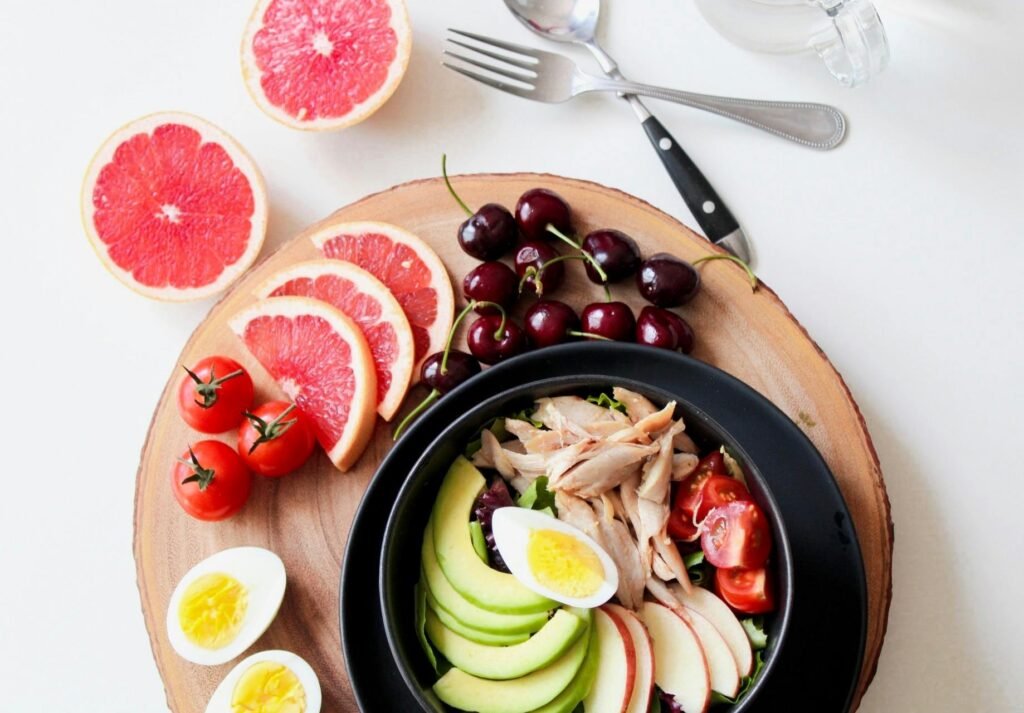
Fiber helps remove excess hormones from the body.
High-fiber foods:
- Green vegetables
- Fruits (apple, berries, pear)
- Oats
- Millets
- Seeds
4️⃣ Cruciferous Vegetables (Hormone Detox Foods)
These vegetables strengthen liver function.
Examples: Broccoli, cabbage, cauliflower
👉 Eat them 3–4 times per week.
5️⃣ Fermented Foods (Best for Gut Health)
A healthy gut equals balanced hormones.
Include:
Buttermilk, homemade curd, kanji
6️⃣ Vitamins & Minerals for Hormonal Health
- Zinc: Supports reproductive hormones
- Magnesium: Reduces stress
- Vitamin B: Improves energy and mood
- Vitamin D: Helps balance thyroid and insulin
👉 Getting these from natural foods is best.
Foods to Avoid for Hormonal Balance
- Excess sugar (sweets, cold drinks, bakery items)
- Refined carbohydrates (white bread, refined flour, packaged snacks)
- Fast food and junk food
- Too much coffee (raises cortisol levels)
Simple hormone-Balanced Diet Plan (Daily)
Morning
- Warm water
- Soaked flaxseeds or chia seeds
Breakfast
- Vegetable omelette with roti
OR - Oats with nuts and fruits
Mid-Morning
- Fruit with a handful of nuts
Lunch
- Dal / paneer / chicken
- Roti or brown rice
- Vegetables
- Curd
Evening Snack
- Herbal tea
- Roasted makhana or sprouts
Dinner (Light & Early)
- Soup
- Vegetables
- Protein source
Bedtime (Optional)
- Turmeric milk
Lifestyle Tips That Help Balance Hormones
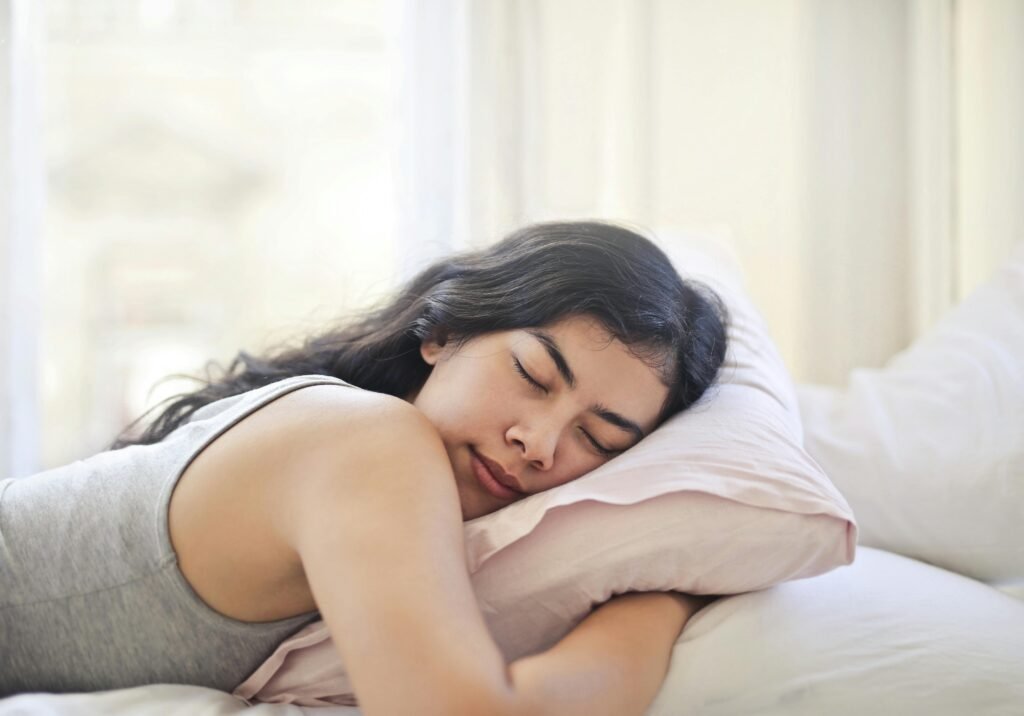
1️⃣ Proper Sleep
7–8 hours of sleep is essential for hormonal health.
2️⃣ Stress Management
- Deep breathing
- Walking
- Meditation
3️⃣ Exercise
- Strength training
- Yoga
- Walking
👉 If you already feel tired, avoid intense cardio.
4️⃣ Meal Timing
Do not skip meals. Eating on time is crucial for hormone balance.
How Long Does It Take to Balance Hormones?
- 3–4 weeks: Improved energy and digestion
- 2–3 months: Better weight control, periods, and mood
- 3–6 months: Proper hormonal balance
👉 Consistency is the key.
Final Words
A hormone-balanced diet is not a punishment—it’s a self-care lifestyle.
Eat natural foods, reduce sugar intake, manage stress, and get proper sleep.
Start with small steps.
Change daily habits.
Hormones will naturally begin to heal and regulate themselves.